Public Limited Company (PLC)
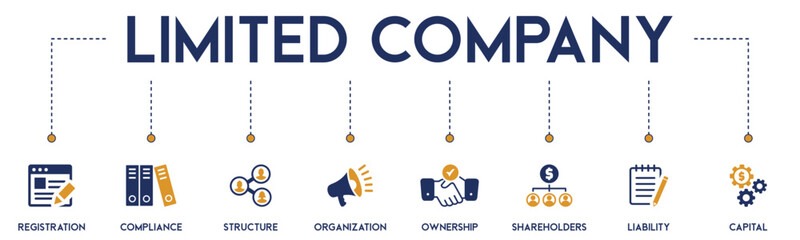
A Public Limited Company (PLC) is a legally registered business entity whose shares can be bought and sold by the public. It is governed by stringent regulations and disclosure requirements to protect shareholders' interests. A PLC is a separate legal entity, meaning it exists independently of its shareholders and directors.In most jurisdictions:
- It has the suffix "Public Limited" or "PLC" after its name.
- It operates under corporate laws such as the Companies Act, 2013 (India) or the Companies Act, 2006 (UK).
1. Key Features of a Public Limited Company:
Public Shareholding:Shares can be offered to the general public via an Initial Public Offering (IPO) or traded on stock exchanges.A minimum number of shareholders (often 7) is required, with no upper limit.
Minimum Capital Requirement:A minimum paid-up capital is mandated, which varies by country (e.g., ₹5 lakhs in India or £50,000 in the UK).
Separate Legal Entity:A PLC is distinct from its shareholders and directors, allowing it to own assets, sue, and be sued independently.
Limited Liability:Shareholders’ liability is limited to the amount they have invested in the company’s shares.
Transparency and Compliance:PLCs must comply with strict regulatory requirements, including disclosures, annual filings, and audits.
Board of Directors:The company must have a board of directors, typically with at least 3 members (varies by jurisdiction).
Perpetual Succession:The company continues to exist regardless of changes in ownership or the death of shareholders.
Listing on Stock Exchanges:PLCs can list their shares on stock exchanges to raise capital and enhance liquidity for shareholders.
2. Advantages of a Public Limited Company
Access to Capital: Ability to raise significant funds from public investors.
Liquidity: Shares can be easily traded on stock exchanges.
Credibility and Reputation: Public listing enhances the company’s market image and credibility.
Growth Opportunities: Large-scale funding allows for rapid growth and expansion.
Limited Liability: Protects shareholders’ personal assets.
Global Reach: Attracts international investors and partners.
3. Disadvantages of a Public Limited Company
Regulatory Compliance: PLCs must comply with strict regulations, including regular audits, annual filings, and disclosure of financial details.
Loss of Control: Ownership is diluted among a large number of shareholders, reducing the influence of founders or initial investors.
Costly Setup and Maintenance: The cost of incorporation, legal compliance, and IPOs can be high.
Public Scrutiny: The company’s financials and operations are subject to public and regulatory scrutiny, which may impact reputation.
Risk of Hostile Takeovers: Shares being publicly traded exposes the company to potential takeover bids.
Short-Term Focus: Public companies often face pressure to deliver quarterly profits, which can hinder long-term planning.
Who Should Choose a Public Limited Company?
A Private Limited Company is often chosen for its structural, financial, and operational benefits. Here’s why you might need one:
1. Large Businesses:
Companies requiring significant capital to fund large-scale operations or expansion projects.
2. Businesses Planning an IPO:
Companies looking to raise funds by going public and listing on stock exchanges.
3. Global or National Market Players:
Businesses with ambitions to compete in global or national markets and establish a strong presence.
4. Companies with High Growth Potential:
Startups and established businesses with scalable business models and the potential for rapid growth.